Complete Editorial Archive · 35 Articles
Low-Sodium Guides, Tips & Food Science
Every article from the original Life Low in Sodium archive (2012–2022) plus new evidence-based guides, each opening with an At-a-Glance summary and USDA FoodData Central citations.

15 Practical Tips for Lowering Your Sodium Intake (Ranked by Daily Milligram Impact)
Over 70% of dietary sodium comes from commercial processing and restaurants—so throwing away your home salt shaker only touches the surface. These 15 targeted habits attack the real 1,000+ mg leaks in your cart, stove, and dining table.

Better-Tasting Soup Without Salt: What the 1985 Gillette Sensory Study Proved
When you remove salt from homemade soup without adjusting anything else, the broth tastes thin. A classic 1985 food-science trial proved that doubling the aromatic herb blend recovers consumer taste ratings without adding a single milligram of salt.
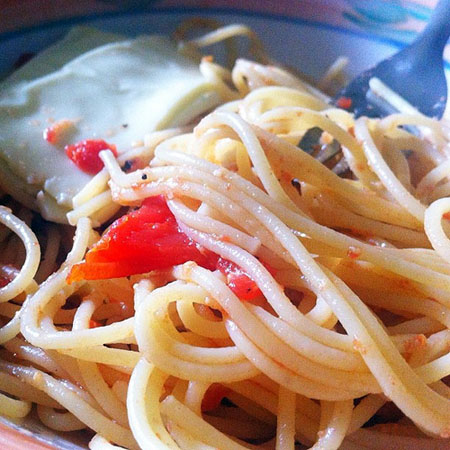
Cooking Pasta With No Salt Added: Debunking the Boiling-Point & Texture Myths (2 mg vs. 280 mg)
Water still boils, noodles still stay separate, and pasta still cooks to a clean al dente bite with zero salt in the pot. Skipping pasta-water salt keeps your noodle base at 2 mg per cup instead of 180–310 mg—freeing up your entire sodium budget for the toppings and sauce.
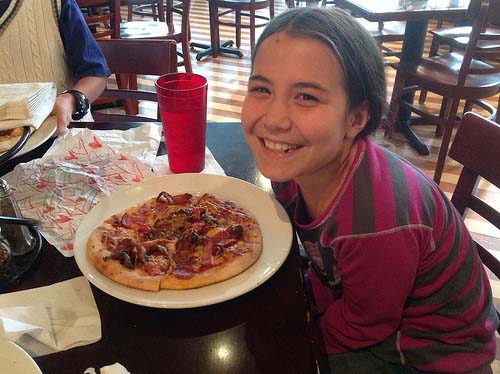
Daily Sodium Intake Recommendations by Age: Toddlers, Children, Teens & Adults (NASEM & AHA)
Daily sodium ceilings scale with body size and kidney capacity—from 1,200 mg for toddlers (ages 1–3) to 1,500 mg (ages 4–8), 1,800 mg (ages 9–13), and under 2,300 mg for teens and adults (1,500 mg AHA ideal adult target). Yet 9 in 10 U.S. children and adults currently exceed their age-specific ceiling.
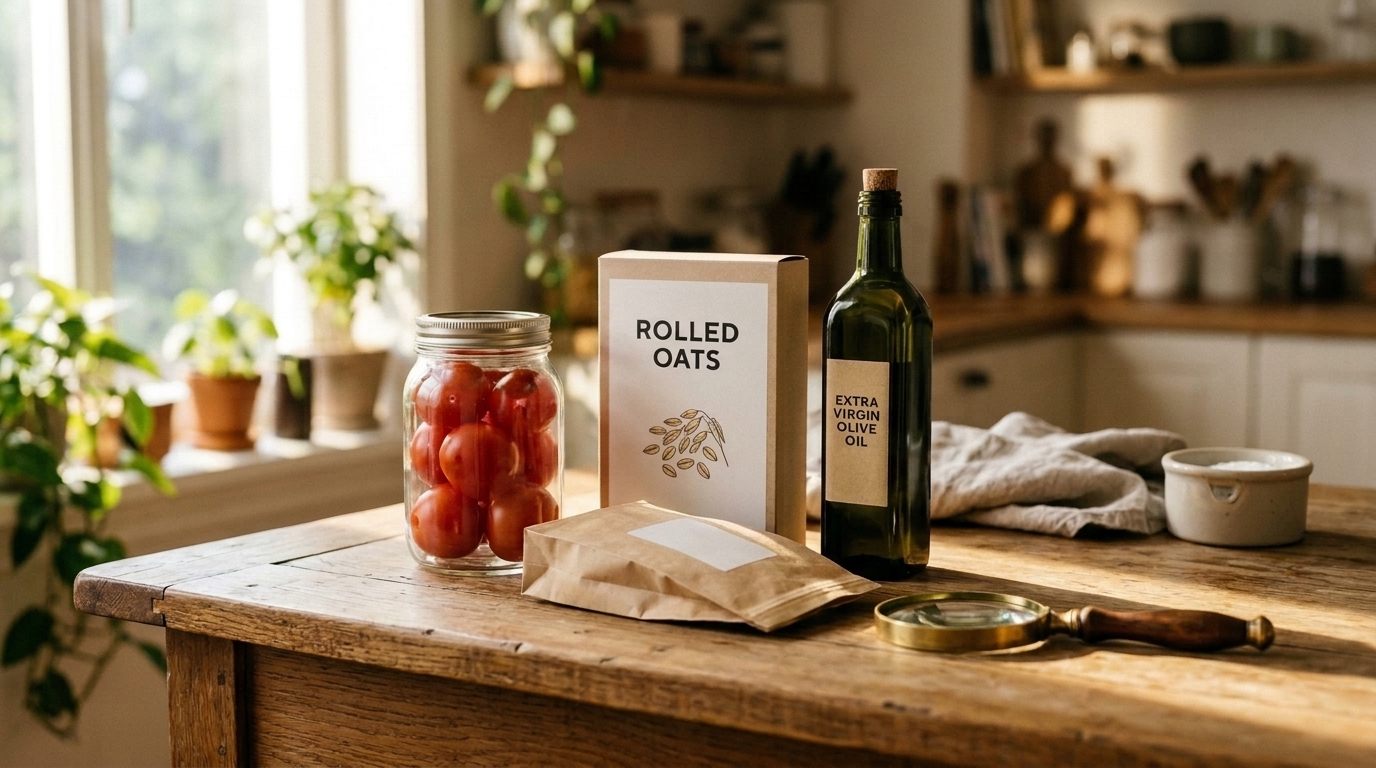
Decoding Sodium Labels: What 'Reduced Sodium' vs. 'Low Sodium' Actually Means
Front-of-box claims like 'Reduced Sodium' and 'Light in Sodium' are relative marketing percentages, not low-sodium guarantees. Only 'Low Sodium' (≤140 mg), 'Very Low Sodium' (≤35 mg), and 'Sodium-Free' (<5 mg) enforce strict milligram ceilings.

Does Salt Raise Blood Pressure? The Physiological Mechanism, Clinical Trials & Daily Limits
Yes—excess dietary sodium pulls extra water into your blood vessels and stiffens arterial walls, forcing your heart to pump against higher resistance. Cutting from the U.S. average (~3,400 mg/day) down to 1,500–2,300 mg/day lowers systolic blood pressure across almost every adult demographic.
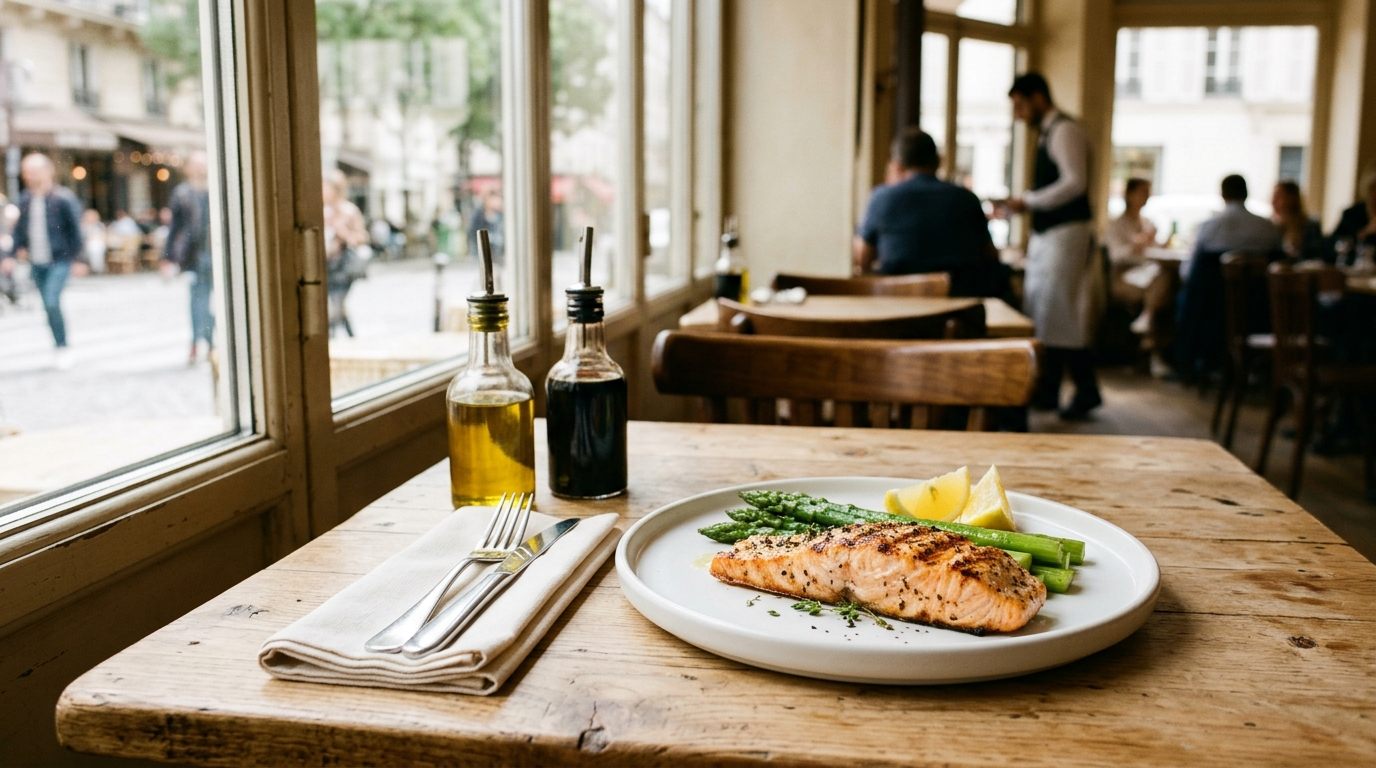
Eating Out on a Low-Sodium Diet: The Complete Restaurant & Cuisine Survival Guide
You do not have to give up restaurants, anniversaries, or business dinners to keep your sodium under 1,500–2,000 mg/day—you just have to avoid pre-made sauces, brined poultry, and soup bases, and order proteins cooked to order.

Finding Low-Sodium Condiments: The Complete 25-Item Price List (+ The 'Light Mayo' Trap)
Condiments deliver huge flavor in tiny spoonfuls, but their sodium price tag spans from 0 mg (lemon juice and apple cider vinegar) to 359 mg (one dill pickle) and 879 mg (one tablespoon of soy sauce).
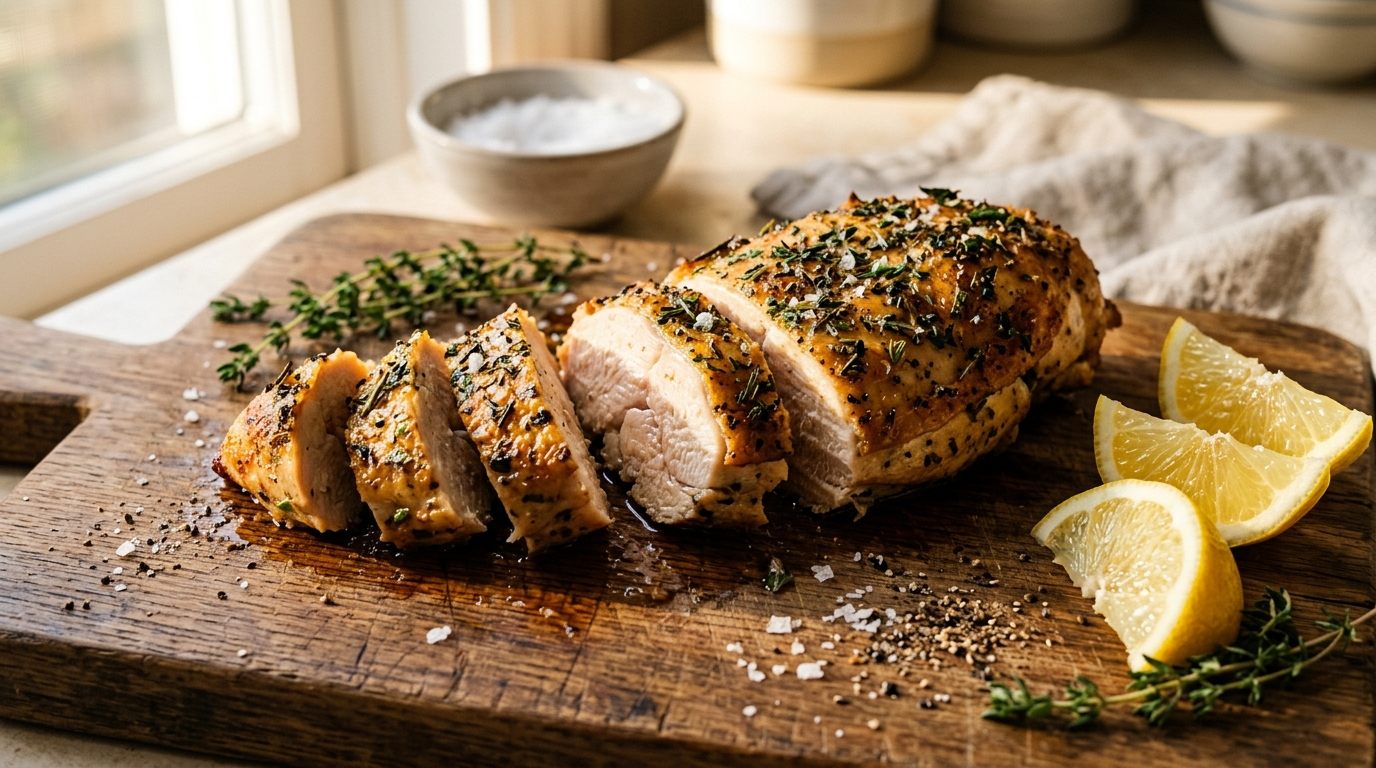
Hidden Sodium in Raw Chicken & Turkey: How to Spot 'Plumped' Poultry
One of the most frustrating traps in a low-sodium kitchen is cooking 'from scratch' with raw chicken breasts that were already injected with 380 mg of salt broth at the packing plant.
How Low Is Too Low for Sodium? (The 500 mg Floor, Hyponatremia & CKD/Heart Failure Nuances)
If you are cutting sodium from the U.S. average of 3,400 mg down to 1,500–2,000 mg/day, you are still consuming 3 to 4 times the ~500 mg physiological minimum your body needs. The real medical nuance is not 'starving for salt'—it is coordinating your sodium, fluid, potassium, and medication doses with your physician.
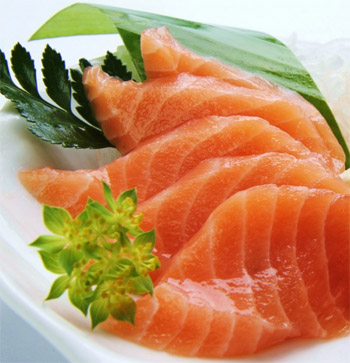
How to Lower the Sodium in Smoked Salmon (Cold-Water Osmosis Soak + Fresh vs. Lox Math)
Fresh salmon is a 50 mg heart-health superstar, whereas smoked salmon / lox averages 571 mg per 3 oz (11.4× higher). When you want real smoked salmon for Sunday brunch, a cold-water refrigerator soak plus skipping the 443 mg bagel and 255 mg capers keeps the plate under 250 mg.
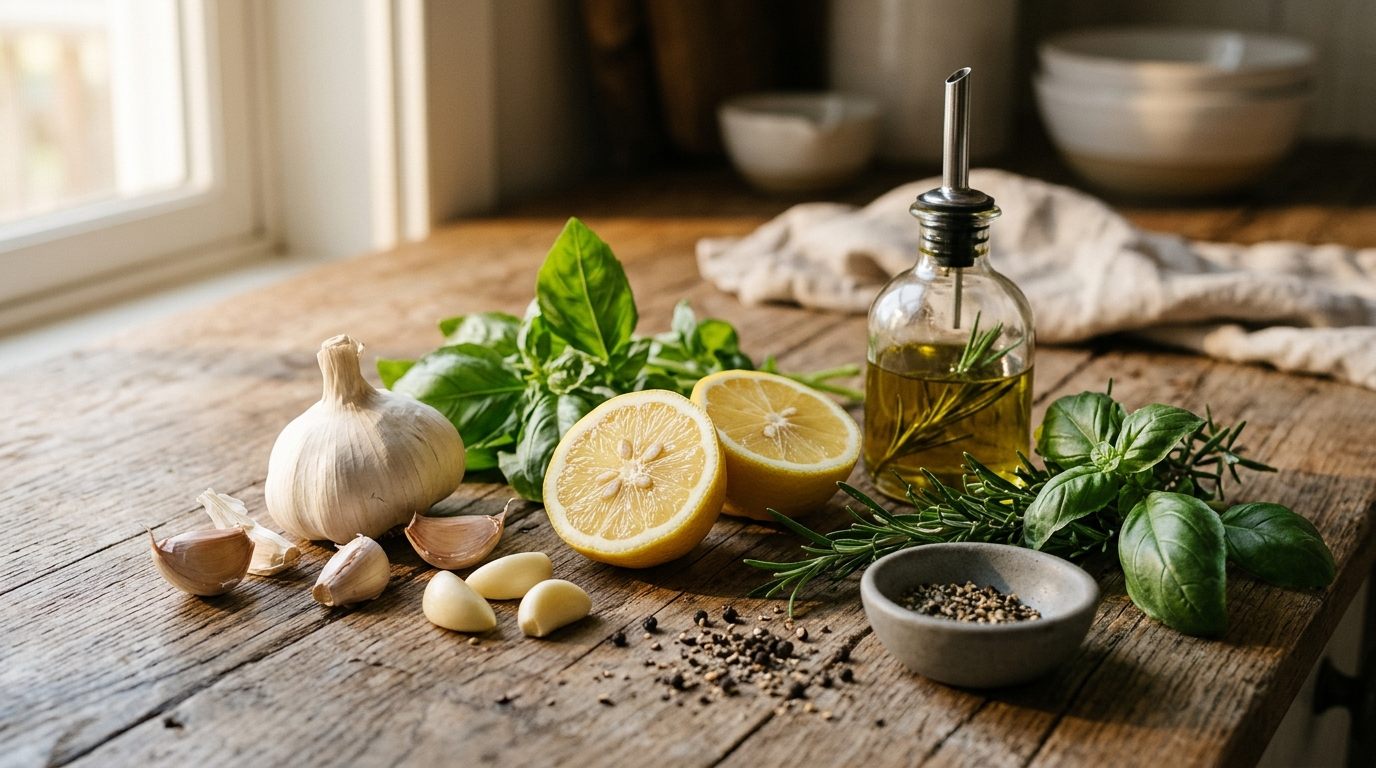
How to Make Low-Sodium Food Taste Amazing (Flavor Science + 3 DIY Salt-Free Blends)
Unsalted food only tastes bland when you take the salt out of a recipe and put nothing back in its place. Replacing salt's chemical jobs with late-stage citrus/vinegar acid, Maillard skillet browning, natural mushroom/tomato umami, and fat-bloomed spices creates bold meals at under 25 mg of sodium.
Is Excessive Sodium Really Bad for You? Decoding 'End the War on Salt' Headlines
Every few years, a clickbait headline announces 'It's Time to End the War on Salt!' Yet when you look past the headline, no credible study claims that eating 3,400+ mg of sodium a day is healthy—and modern 24-hour urine studies confirm a direct, linear link between excess sodium and stroke.

Living Without Salt: Vilhjalmur Stefansson's 1935 Arctic Account (& Modern Palate Science)
Arctic anthropologist Vilhjalmur Stefansson proved in 1935 that our belief that 'food is unpalatable without salt' is a learned habit—much like tobacco—and that within weeks of eating unsalted food, even a prized gift of salt goes forgotten.
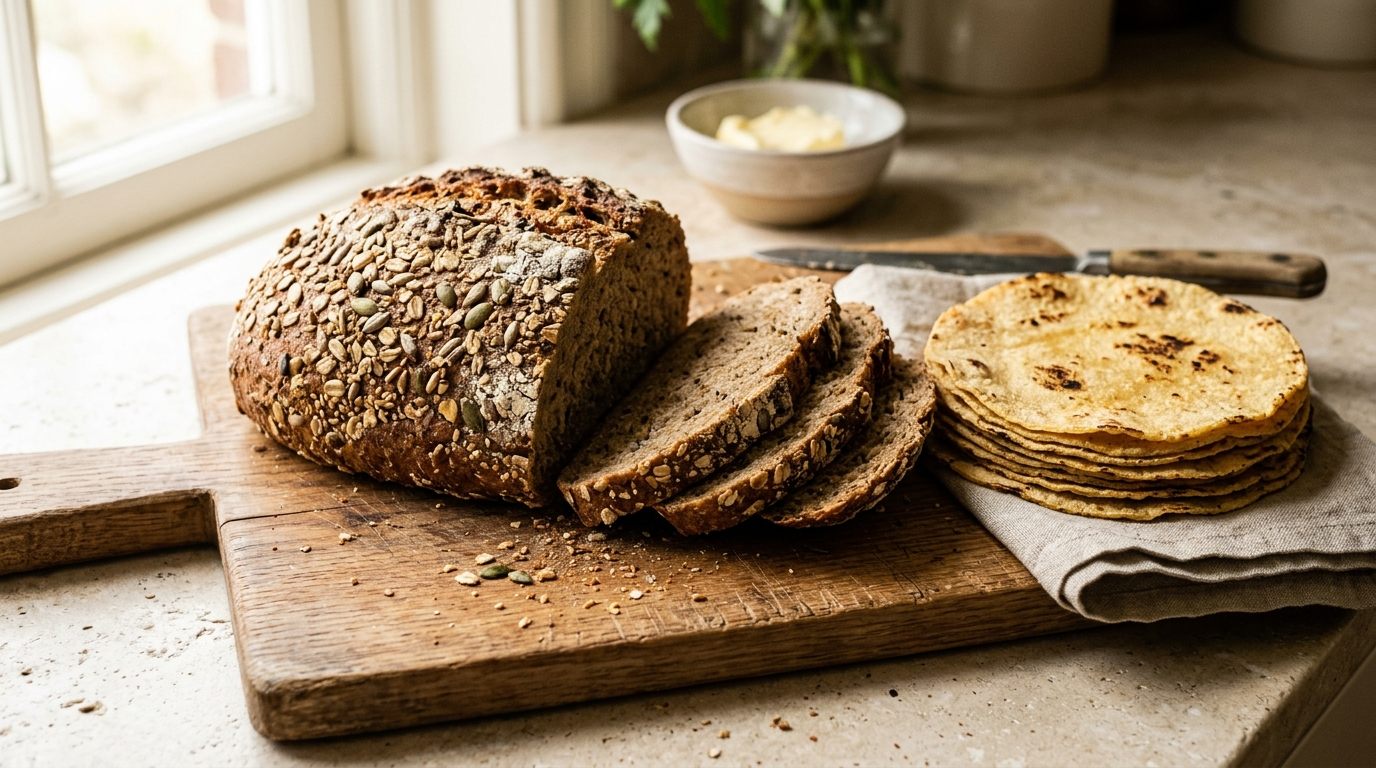
Low-Sodium Bread, Tortillas & Wraps: The Complete Buyer's Guide
Breads and wraps are the stealthiest daily sodium leak because nobody eats a single slice of bread for lunch—and chemical leavening turns flour wraps, bagels, and biscuits into 440–580 mg sodium bombs.

Low-Sodium Breakfast & Lunch Ideas That Actually Keep You Full (Under 200 mg)
If you spend 1,200 mg of sodium before 1 p.m. on a bagel and a deli sandwich, dinner becomes a miserable math problem. Locking in 2–3 low-sodium breakfast and lunch defaults leaves you 1,100+ mg of breathing room for dinner with your family.
Low-Sodium Fast Food: Exact Orders at 10 Major Chains That Won't Wreck Your Day
Fast food is built on salted buns, brined chicken, and seasoned fries—an average drive-thru combo clears 2,100 mg before you take a sip of soda. Knowing specific menu requests at 10 major chains keeps a highway meal comfortably between 280 and 580 mg.
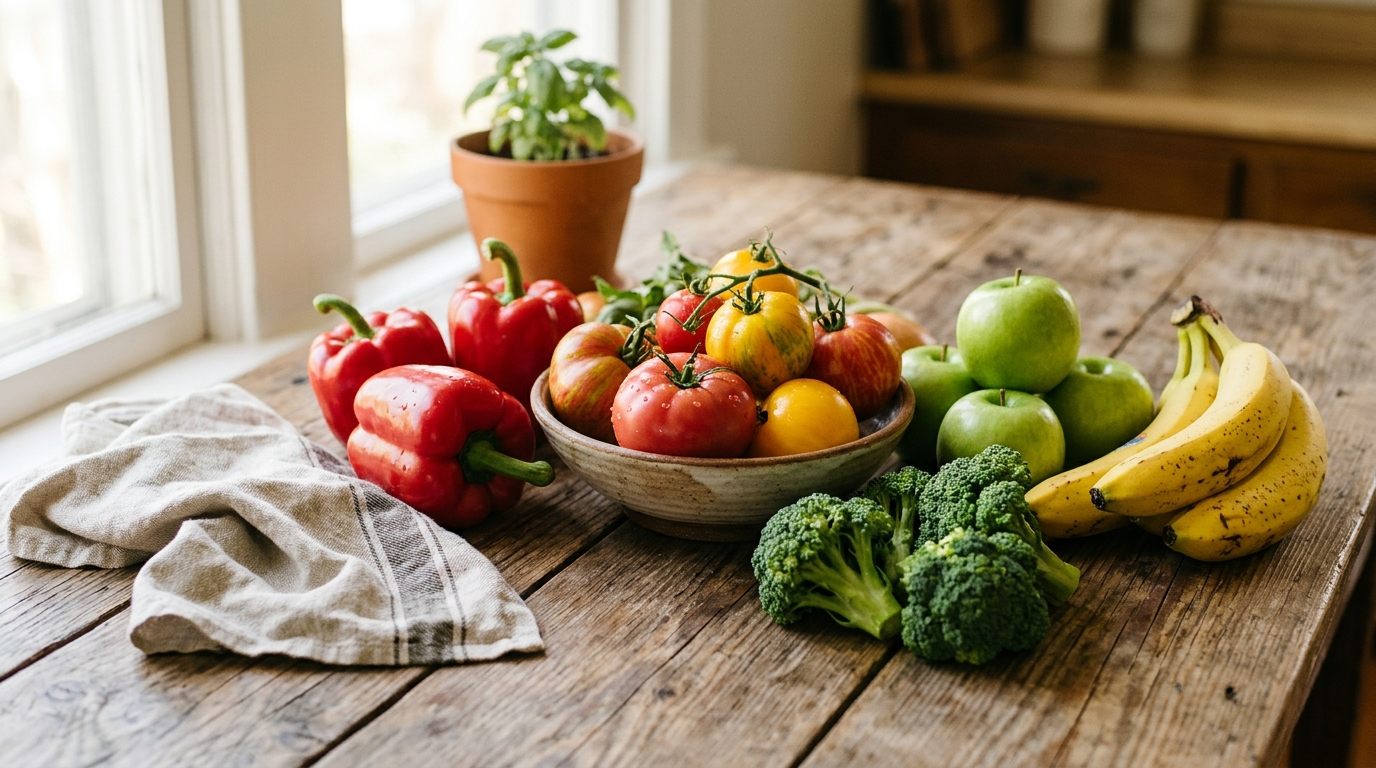
Low-Sodium Fruits and Vegetables: Complete Produce & Potassium Reference Guide
Fresh and plain frozen fruits (0–5 mg) and vegetables (1–35 mg) are the cornerstone of a blood-pressure-friendly kitchen because they do double duty: they keep meal sodium near zero while delivering 200 to 926 mg of potassium per serving.
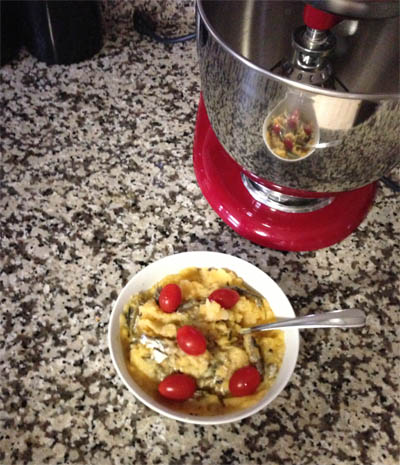
Low-Sodium Mashed Potatoes in a KitchenAid (~55 mg Sodium & 790 mg Potassium/Bowl)
Blending 3 white potatoes and 2 sweet potatoes in a pre-warmed KitchenAid mixer with warm low-fat milk, unsalted butter, garlic, and cracked black pepper creates a rich, velvety ~45–55 mg family comfort dish (with ~115 mg total if topped with split omega-3 sardines and grape tomatoes).

Low-Sodium Vegetables: Complete 25-Item Fresh Produce List (& The Few Naturally Salty Greens)
Fresh and plain frozen vegetables could practically carry a universal sign reading 'Not a significant source of sodium.' Almost every plant in the produce aisle sits between 1 and 35 mg per serving; sodium only explodes when vegetables are canned in brine (350–460 mg) or pickled (359–800 mg).
MSG vs. Table Salt: Does MSG Actually Have Less Sodium? (Chemistry & Clinical Consensus)
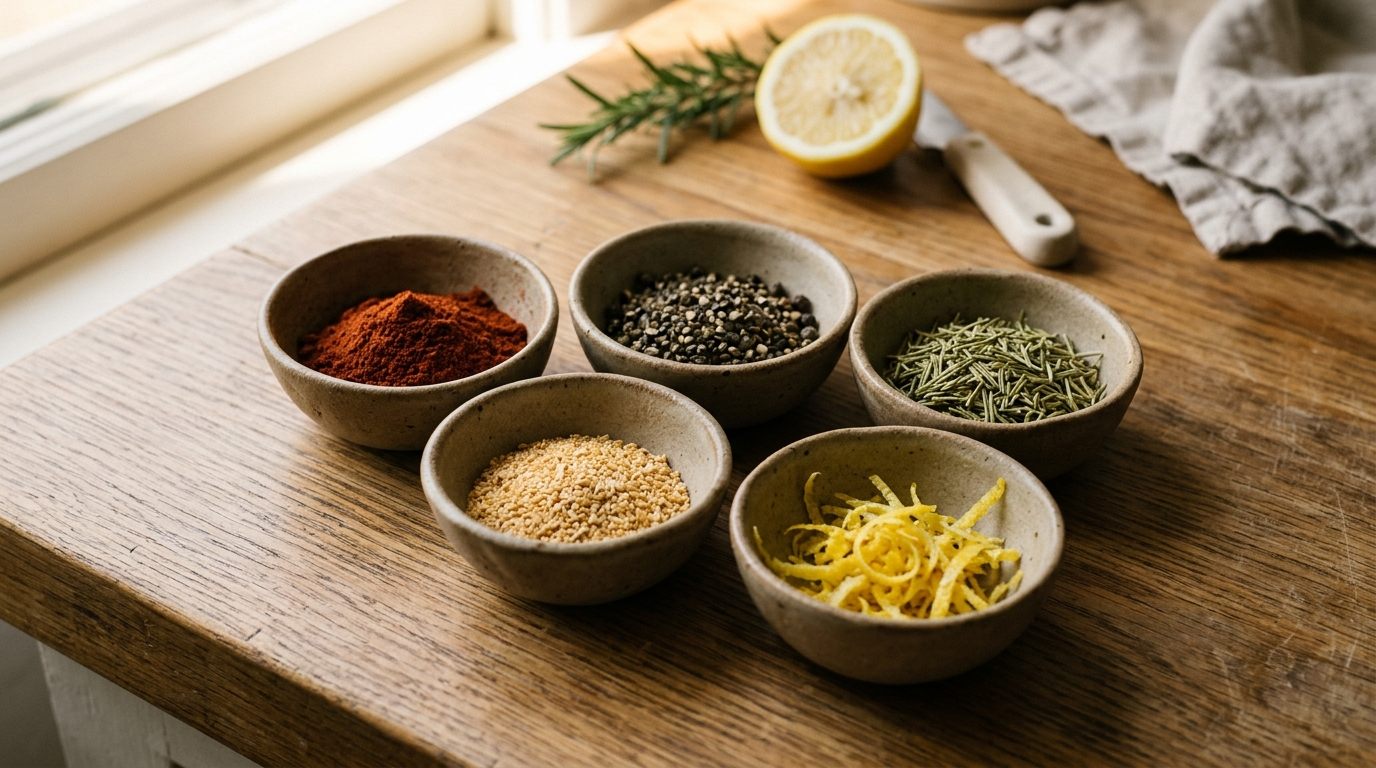
Pure MSG carries 79% less sodium per teaspoon than table salt (480 mg vs. 2,300 mg) and supplies savory umami fullness that keeps low-sodium soups, stir-fries, and roasted vegetables from tasting hollow. It is still 12% sodium—so measure it with a 1/8 or 1/4 tsp spoon and count it in your daily budget.
Potassium Chloride Salt Substitutes vs. Salt-Free Herbs: Safety, Taste & Kidney Warnings
Potassium chloride substitutes (NoSalt, Nu-Salt, Morton Salt Substitute) replace sodium with potassium—delivering a real salty taste and proven blood pressure reduction for adults with healthy kidneys, but posing a serious hyperkalemia risk for anyone with kidney disease or on common blood pressure medications.
Quick Low-Sodium Pasta Meal: 15-Minute Mediterranean Skillet (Under 25 mg Sodium)
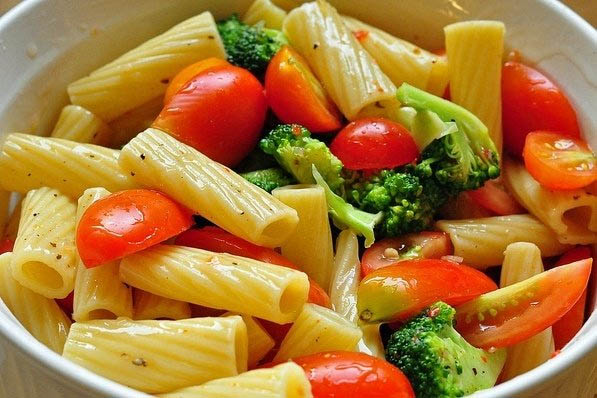
When you get home at 6:30 p.m. and need dinner in 15 minutes, opening a 550 mg jar of commercial marinara sauce isn't your only option. Plain pasta boiled in unsalted water (~3 mg) tossed in a garlic-infused olive oil skillet with ripe tomatoes, bell peppers, and fresh basil puts a vibrant meal on the table for ~15 to 25 mg of total sodium.
Simple Tip to Cut Down Sodium Intake: The 'Instead' Water Rule (+ Water Softener Check & Free Joke!)
The single easiest zero-effort daily sodium cut is the Cleric's Rule: drink a cold glass of plain water INSTEAD of your usual mealtime sports drink, salted vegetable juice, club soda, or cola.
Sodium and High Blood Pressure: The Complete, Evidence-Based Guide
Cutting sodium is one of the most reliable non-drug levers for lowering blood pressure—especially if you already have elevated readings or hypertension. You do not need to eat bland food or track every grain of salt; focusing on five packaged-food categories cuts 1,000+ mg/day.

Sodium Content in Apple Cider & Hard Cider (14 mg): Fresh vs. Spiced & Fermented
Because fresh apples contain just 2 mg of sodium each (FDC #171688), drinks pressed directly from apples—whether fresh autumn orchard cider (7–10 mg/cup) or dry hard cider (~14 mg per 12 oz bottle)—sit below 1% of the FDA Daily Value.

Sodium Content in Beer: Regular & Light Lagers (14 mg) vs. Gose Sours & Micheladas (1,150 mg)
Standard beer—whether regular lager, light beer, IPA, or stout—contains only ~14 mg of sodium per 12-ounce can or bottle (<1% FDA DV) along with ~96 mg of potassium. The real sodium threat at the pub isn't the 14 mg beer; it's salted Gose sours, Micheladas (1,150 mg), and the bowl of bar pretzels (352 mg/oz).
Sodium Content in Eggs: Whole Egg (62 mg) vs. Egg Whites, Yolks & Cooking Methods
At 62 mg per large egg (and 6.3 grams of complete protein), plain eggs are one of the most dependable foundations of a low-sodium kitchen. The sodium trap is never the egg itself—it is cooking in salted butter and pairing with bacon, sausage, or hash browns.

Sodium Content in Milk: Whole, 2%, Skim (100 mg) vs. Buttermilk (257 mg) & Plant Milks
At ~100 mg of natural sodium per 8 oz cup—paired with 366 mg of potassium and 300 mg of calcium—plain cow's milk and Greek yogurt are core building blocks of the blood-pressure-lowering DASH diet. The hidden dairy traps are salted cultured buttermilk (257 mg) and canned condensed/evaporated milk dishes.

Sodium Content of Shrimp: Fresh Wild (101 mg) vs. Frozen STPP-Treated (481 mg) & Canned (850 mg)
Shrimp has an undeserved reputation as a high-sodium food only because most shoppers accidentally buy phosphate-soaked freezer bags. Untreated shrimp is 101 mg per 3 oz—making it an FDA Low-Sodium protein.

Sodium in Fruit vs. Vegetable Juices: Orange Juice (2 mg) vs. Tomato & V8 Juice (615 mg)
The juice aisle splits down a razor-sharp fault line: 100% fruit juices contain 2 to 15 mg of sodium per cup, while regular canned tomato and vegetable juices pack 615 to 830 mg per cup. One simple bottle swap—regular tomato juice to Low-Sodium (140 mg) or No-Salt-Added (~25 mg)—saves 475 to 590 mg every morning.

Sodium in Sports Drinks & Electrolyte Powders: Gatorade (270 mg) vs. Hydration Sticks (750–1,000 mg)
Sports drinks and electrolyte packets are engineered for athletes pouring liters of sweat in 90-degree heat—not for sitting in air-conditioned offices or taking a 30-minute neighborhood walk. Drinking them casually burns 270 to 1,000 mg of your daily sodium allowance in minutes.

Sodium in Tomatoes: Fresh (6 mg) vs. No-Salt Canned (15 mg), Sauce (506 mg) & Juice (615 mg)
Fresh tomatoes (6 mg) and No-Salt-Added canned tomatoes (15 mg) are rich sources of potassium and natural umami with almost zero sodium—while regular canned tomato sauce (506 mg/half-cup) and regular tomato juice (615 mg/cup) are 80-to-100× processing traps.
The Travel Spice Shaker Trick: How to Season Plain Restaurant Meals Anywhere (0 mg)
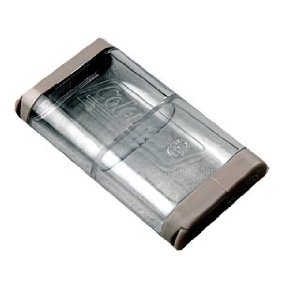
Asking a restaurant kitchen to grill your steak, salmon, or burger patty completely plain solves the 1,500 mg sodium problem—and carrying a pocket dual-compartment salt-free spice shaker solves the 'bland plate' problem.

What Fruits Are Low in Sodium? Complete 22-Fruit USDA Reference (& Potassium Ratios)
Virtually every fresh fruit is naturally FDA Sodium-Free (<5 mg) or Very Low Sodium (≤35 mg) and never tempts cooks to reach for the salt shaker—making fresh fruit the easiest daily snack replacement for 352 mg pretzels or 180 mg crackers.