Life Low in Sodium · 6 min read · Updated 2026-11-27
Low-Sodium Mashed Potatoes in a KitchenAid (~55 mg Sodium & 790 mg Potassium/Bowl)
At a Glance
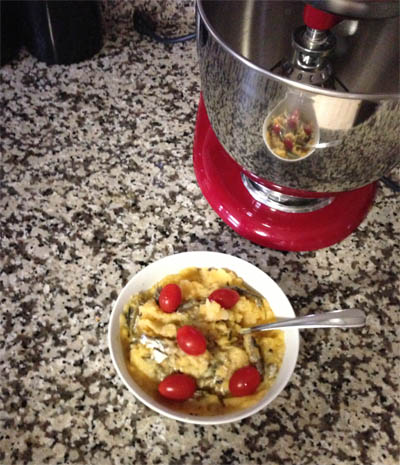
Blending 3 white potatoes and 2 sweet potatoes in a pre-warmed KitchenAid mixer with warm low-fat milk, unsalted butter, garlic, and cracked black pepper creates a rich, velvety ~45–55 mg family comfort dish (with ~115 mg total if topped with split omega-3 sardines and grape tomatoes).
- Base Mashed Potato Bowl (1 of 4 servings): ~45–55 mg sodium · ~790 mg potassium (vs. 580+ mg restaurant mash)
- Unsalted Butter (2 tbsp = 4 mg Na) vs. Salted Butter (2 tbsp = 182 mg Na) saves 178 mg in one step
- Optional 1 tin King Oscar sardines split 4 ways adds ~70 mg sodium + ~500 mg omega-3s per bowl
Start here:Boil the quartered potatoes in plain unsalted water, whip with warm milk, unsalted butter, and garlic, and scoop out your unsalted portion before anyone else reaches for the salt shaker.
Why mashed potatoes are the ultimate "mixed-diet household" dinner
When one person in a household needs to stay under 1,500 mg of sodium a day and the rest of the family eats a standard diet, nobody wants to cook two separate dinners every night.
Mashed potatoes solve that problem cleanly: you boil and whip the entire batch in the KitchenAid with zero added salt, relying on roasted or minced garlic, freshly ground black pepper, warm milk, unsalted butter, and the natural sweetness of a 3-to-2 white-potato-and-sweet-potato blend. You scoop out your piping-hot ~45 mg bowl first, and anyone else at the table can season their own plate however they like.
As for our favorite optional savory topping—one tin of King Oscar sardines split across four bowls alongside halved grape tomatoes: a full 3.75 oz tin of sardines carries roughly 12% of the FDA Daily Value (~280 mg sodium), so dividing one tin across four bowls adds only ~70 mg of sodium per serving while bringing smoky umami richness and heart-healthy marine omega-3s that make the whole bowl a complete meal.
How STPP Brine & Canning Multiply Shrimp Sodium 8.4×
Soaked in salt + sodium tripolyphosphate during factory freezing to retain thaw weight and glossy texture.
Aisle rule: Always flip frozen shrimp bags over to the ingredient line: if it lists 'sodium tripolyphosphate' (STPP) or 'salt', a 3 oz serving jumps from 101 mg to 481+ mg.
Complete Ingredient & Milligram Breakdown (Makes 4 Generous Servings)
Look at how every single ingredient contributes massive potassium and almost zero sodium when you swap salted butter for unsalted butter and skip salting the boiling water:
| Ingredient | Exact Measure (4-Serving Batch) | Batch Sodium (mg) | Batch Potassium (mg) | Per-Serving Sodium |
|---|---|---|---|---|
| 3 Large White/Yukon Potatoes, peeled & quartered (FDC #170026) | ~1.5 lbs (3 medium-large) | 30 mg | 2,778 mg | 7.5 mg |
| 2 Large Orange Sweet Potatoes, peeled & quartered (FDC #168482) | ~1.0 lb (2 medium-large) | 82 mg | 1,084 mg | 20.5 mg |
| ½ Cup Low-Fat (1% or 2%) Milk, warmed (FDC #172217) | 4 fl oz (122 g) | 52 mg | 183 mg | 13.0 mg |
| 2 Tablespoons Unsalted Sweet Cream Butter | 1 oz (28 g) | 4 mg (vs. 182 mg salted!) | 7 mg | 1.0 mg |
| 1 Teaspoon Minced Fresh Garlic (or roasted garlic) | 2 cloves | 1 mg | 24 mg | 0.3 mg |
| ⅛ Teaspoon Freshly Ground Black Pepper | ⅛ tsp | 0 mg | 4 mg | 0.0 mg |
| 12–16 Fresh Grape or Cherry Tomatoes, halved (FDC #170457) | ~1 cup | 7 mg | 350 mg | 1.8 mg |
| BASE MASHED POTATO BOWL (Before Optional Sardines) | 1/4 of recipe (~1.25 cups) | 176 mg (full pot) | 4,430 mg (full pot) | ~44 mg / bowl! |
| Optional Complete-Meal Protein Topping: 1 can King Oscar Sardines in Olive Oil (drained & split 4 ways) | ¼ tin per bowl | 280 mg (full tin) | 310 mg | +70 mg / bowl (~114 mg total) |
Homemade Unsalted (~44 mg) vs. Commercial Mashed Potatoes (480–750 mg)
| Mashed Potato Source (1 Cup Serving) | Sodium per Serving | Potassium (mg) | Why the Sodium Differs by 10× to 15× |
|---|---|---|---|
| 1. This KitchenAid White + Sweet Potato Recipe | ~44 mg (114 mg w/ sardines) | ~1,100 mg | Boiled in unsalted water + unsalted butter (4 mg) + natural sweet potato flavor |
| 2. Refrigerated Grocery Tub Mashed Potatoes (Bob Evans / Simply Potatoes) | 460–540 mg | 420 mg | Heavily salted with sodium phosphate & potassium sorbate preservatives |
| 3. Boxed Instant Mashed Potato Flakes (prepared w/ salted butter) | 490–640 mg | 310 mg | Seasoned dry flakes + sodium acid pyrophosphate + salted butter |
| 4. Casual Restaurant / Steakhouse Mashed Potatoes | 620–850 mg | 480 mg | Boiled in heavily salted water + kosher salt + salted butter & cream |
Step-by-Step KitchenAid Stand Mixer Instructions
- Peel and quarter the potatoes evenly: Peel the 3 white potatoes and 2 sweet potatoes and cut them into roughly equal quarters so they finish cooking at the exact same time and don't leave hard lumps.
- Boil in plain unsalted water (sweet potatoes first if denser): Bring a large pot of plain tap water to a boil (do not add salt to the water). If your sweet potato pieces are slightly larger or denser than the white potatoes, drop them in 2 to 3 minutes earlier. Simmer for 15 to 18 minutes until a fork slides easily into the thickest piece, then drain thoroughly in a colander and let steam dry for 60 seconds.
- Pre-warm your stainless-steel KitchenAid mixing bowl: While the potatoes drain, fill your KitchenAid bowl with hot tap water for 30 seconds, then pour it out and wipe dry. A warm bowl prevents the butter from congealing and keeps the mash fluffy.
- Warm the ½ cup of low-fat milk: Heat the milk gently in a small saucepan or microwave for 25–30 seconds until warm (do not boil) so it doesn't shock the hot potatoes.
- Break down the potatoes on Speed 1 → Speed 2: Transfer the hot drained potatoes into the warm KitchenAid bowl fitted with the flat paddle attachment (start here to break up the big chunks without flinging potatoes out of the bowl; you can switch to the wire whip later if you like whipped airiness). Mix on Speed 1 for 15 seconds, then Speed 2 for about 1 minute.
- Fold in warm milk, unsalted butter, garlic, and black pepper: Add the warm ½ cup milk, 2 tablespoons unsalted butter, 1 teaspoon minced garlic, and ⅛ teaspoon freshly ground black pepper.
- Whip to your preferred texture (don't over-beat past 90 seconds): Mix until creamy and uniform—stop early on Speed 2–3 if you enjoy rustic, slightly chunky mashed potatoes, or pulse briefly up to Speed 6 for a silky finish. (Tip: stopping as soon as the butter and milk are absorbed prevents the potato starches from turning gluey.)
- Scoop your unsalted bowls and garnish: Transfer to warm serving bowls and top with halved fresh grape tomatoes and optional quarter-tin split sardines (or chopped fresh chives and a drizzle of roasted-garlic olive oil).
3 Zero-Salt Flavor Variations for Holiday Dinners
- Roasted-Garlic & Chive Mash (+2 mg): Wrap a whole head of garlic in foil with 1 tsp olive oil, roast at 400°F for 35 minutes until jammy and sweet, and squeeze the caramelized cloves directly into Step 6 along with ¼ cup snipped fresh chives.
- Tangy Greek Yogurt & Herb Mash (+10 mg): Replace half of the milk with ¼ cup plain nonfat Greek yogurt (20 mg total, 5 mg/bowl) and 1 teaspoon dried rosemary or thyme for a rich, buttermilk-style tang without the 257 mg buttermilk sodium trap.
- Smoky Paprika & Caramelized Onion Mash (+1 mg): Fold in 1 large sweet onion slowly caramelized in olive oil until deep mahogany brown, dusted with ½ teaspoon smoked Spanish paprika.
References
- USDA FoodData Central SR Legacy: Potatoes, baked/boiled, without salt (FDC #170026); Sweet potato, cooked, without salt (FDC #168482); Milk, reduced fat, fluid, 2% milkfat (FDC #172217); Tomatoes, red, ripe, raw (FDC #170457).
Common Questions
- How much sodium is in homemade unsalted mashed potatoes vs. restaurant or instant box mashed potatoes?
- One cup of boxed instant mashed potato flakes or refrigerated tub mashed potatoes packs 460 to 690 mg of sodium (and steakhouse mashed potatoes often exceed 750 mg/cup). Making this recipe at home in unsalted boiling water with unsalted butter and warm low-fat milk keeps a generous bowl at just ~45 to 55 mg of sodium (before optional toppings)—a 90% sodium cut!
- Why blend white potatoes and sweet potatoes together in the same bowl?
- White russet or Yukon Gold potatoes (10 mg sodium, 926 mg potassium per medium potato, FDC #170026) provide classic fluffy starch structure, while orange sweet potatoes (41 mg sodium, 542 mg potassium, FDC #168482) bring natural caramelized sweetness and beta-carotene so your palate doesn't miss added table salt.
- Why is pre-warming the KitchenAid mixer bowl and the milk so important?
- Pouring cold refrigerator milk into a cold stainless-steel KitchenAid bowl chills the hot potatoes on contact, causing the starch granules to seize and turn gummy while keeping the butter from melting evenly. Rinsing the steel bowl with hot tap water and warming the milk for 30 seconds keeps the mash piping hot and velvety.
- How do you handle cooking mashed potatoes when the rest of the family wants salt?
- Boil and whip the entire batch in the KitchenAid with zero added salt, garlic, and freshly ground black pepper. Scoop your low-sodium portion into your serving bowl first, and then let everyone else salt their own portion at the dinner table (or stir a pinch of salt into the remaining pot).