Life Low in Sodium · 5 min read · Updated 2026-11-27
Quick Low-Sodium Pasta Meal: 15-Minute Mediterranean Skillet (Under 25 mg Sodium)
At a Glance
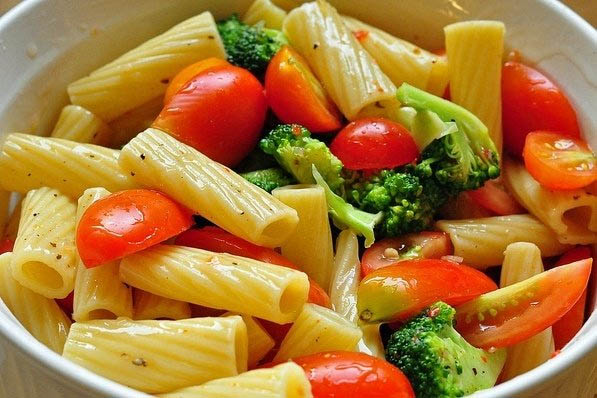
When you get home at 6:30 p.m. and need dinner in 15 minutes, opening a 550 mg jar of commercial marinara sauce isn't your only option. Plain pasta boiled in unsalted water (~3 mg) tossed in a garlic-infused olive oil skillet with ripe tomatoes, bell peppers, and fresh basil puts a vibrant meal on the table for ~15 to 25 mg of total sodium.
- 1.5 cups cooked unsalted pasta (FDC #169736): ~3 mg sodium · 2 tbsp extra-virgin olive oil: 0 mg
- 1 medium ripe tomato (6 mg) + ½ cup bell pepper/broccoli (3–15 mg) + garlic & basil (1 mg)
- Complete dinner bowl total: ~14–25 mg sodium (saves 525–1,100 mg vs. jarred sauce & salted water)
Start here:Tonight, skip the jarred pasta sauce—sizzle sliced garlic in extra-virgin olive oil while your unsalted pasta boils, then toss everything together in the skillet with chopped fresh tomatoes and torn basil.
Why this 15-minute weeknight meal needs no strict measuring spoons
One of the biggest obstacles to sticking with a 1,500 mg low-sodium diet is Tuesday-night fatigue. You get home late, open the pantry, see a box of pasta and a jar of commercial marinara sauce, and face a 550 to 650 mg sodium hit per half-cup of sauce (plus another 250 mg if you salt the pasta pot).
This classic Mediterranean skillet template—what Italians call pasta alla checca (warm pasta tossed with raw or lightly warmed ripe tomatoes, garlic-infused olive oil, and fresh basil)—takes the exact same 15 minutes as boiling water and opening a jar, yet keeps your entire dinner plate under 25 mg of sodium (just 1.5% of the AHA 1,500 mg daily target!).
Breads, Wraps, Pasta & Breakfast Grains: Label Unit vs. Real Plate
Nutrition labels quote 1 slice or 1 packet. Toggle to Real Meal Portion to see what lands on your plate.
A single slice looks harmless at 144 mg, but a sandwich always uses TWO slices (288 mg) before you add meat, cheese, or mustard.
Exact Milligram Breakdown: Base 15-Minute Skillet (Per Generous 1-Plate Serving)
| Skillet Ingredient | Serving Portion | Sodium (mg) | Potassium (mg) | Culinary Role in the Dish |
|---|---|---|---|---|
| 1. Enriched Dried Pasta, boiled in unsalted water (FDC #169736) | 1.5 cups cooked (~3 oz dry) | 3 mg | 92 mg | Clean starch canvas (+ ¼ cup starchy pot water for emulsion) |
| 2. Extra-Virgin Olive Oil (FDC #171413) | 2 tbsp (28 g) | 0 mg | 0 mg | It takes a full cup of olive oil to hit 4 mg Na; carries fat-soluble garlic & herb oils |
| 3. Fresh Ripe Red Tomato, diced (FDC #170457) (or 1 cup halved cherry tomatoes) | 1 medium (123 g) | 6 mg | 292 mg | Natural free L-glutamate (umami) + juicy sweet-tartpan juices |
| 4. Sweet Red or Yellow Bell Pepper, diced (or 1 cup steamed broccoli florets) | ½ cup (75 g) | 2–15 mg | 157 mg | Crisp texture contrast & natural sweetness |
| 5. Fresh Garlic (2 cloves sliced) + Black Pepper + Crushed Red Pepper Flakes | To taste | 2 mg | 30 mg | Pungent aroma & gentle capsaicin warmth |
| 6. Fresh Basil Leaves (hand-torn) + Squeeze of Fresh Lemon Juice | ¼ cup torn leaves + 1 tsp juice | 1 mg | 45 mg | Bright top-note aroma & citric acid pop right before serving |
| COMPLETE DINNER BOWL TOTAL | ~2.5 Cups Finished Pasta | ~14–27 mg | ~616 mg | FDA Sodium-Free / Very Low Sodium (<2% of AHA day!) |
Step-by-Step 15-Minute Skillet Method
- Check the pasta box & boil in plain unsalted water (Minutes 0–10): Almost all dried semolina pastas (spaghetti, penne, fusilli, farfalle) list 0 mg to 5 mg of sodium on the dry nutrition label. Drop your pasta into a large pot of rolling plain boiling water (do not add salt to the water), and stir twice during the first 90 seconds so strands never stick.
- Infuse the olive oil with garlic and red pepper flakes (Minutes 6–9): While the pasta boils, warm 2 tablespoons of extra-virgin olive oil (0 mg) in a wide skillet over medium-low heat. Add 2 thinly sliced garlic cloves, ¼ teaspoon freshly ground black pepper, and a pinch of crushed red pepper flakes. Let the garlic sizzle gently for 90 seconds until fragrant and pale golden (never burnt).
- Warm the diced tomatoes & bell peppers for 60 seconds (Minute 10): Toss your diced ripe tomato (including all the seed juices!) and diced sweet bell pepper (or lightly steamed broccoli florets) into the warm garlic oil for just 60 seconds so the tomato juices mingle with the oil without turning mushy.
- Emulsify with pasta + a splash of starchy unsalted pot water (Minutes 11–13): Before draining the pasta, scoop out ¼ cup of the cloudy, starchy boiling water. Transfer the hot drained pasta straight into the skillet over medium heat, splash in 2 to 3 tablespoons of the starchy water, and toss briskly for 60 seconds until the olive oil and tomato juices emulsify into a silky glaze that coats every noodle.
- Tear fresh basil & squeeze lemon off the heat (Minute 14): Turn off the burner, scatter a generous handful of hand-torn fresh basil leaves (tearing bruises the leaf cells and releases more essential oil than knife-chopping) and a 1-teaspoon squeeze of fresh lemon juice over the skillet, toss once, and serve.
4 High-Protein Upgrades (All Keep the Entire Dinner Under 125 mg!)
Want 20 to 30 grams of complete protein in your pasta bowl? Fold any of these four USDA-verified additions into Step 3:
| High-Protein Skillet Addition | Added Sodium | New Full-Meal Sodium | Added Protein | How to Add It to the Skillet |
|---|---|---|---|---|
| 1. Mediterranean White Bean & Spinach (½ cup drained No-Salt-Added cannellini beans + 1 cup baby spinach) | +24 mg | ~38 mg | +9 g (17 g total) | Stir beans and baby spinach into the garlic oil in Step 3 until spinach wilts |
| 2. Italian Tonnato (No-Salt Tuna & Lemon Zest) (1 drained tin No-Salt-Added light tuna, FDC #175159) | +42 mg | ~56 mg | +22 g (30 g total) | Flake drained no-salt tuna into the warm garlic-tomato oil with grated lemon zest & parsley |
| 3. Garlic-Herb Seared Chicken Breast (3 oz diced unenhanced chicken breast, FDC #171477) | +63 mg | ~77 mg | +26 g (34 g total) | Sear cubed chicken in the olive oil with oregano & black pepper for 5 min before adding garlic |
| 4. Amalfi Coast Garlic-Lemon Wild Shrimp (3 oz raw untreated shrimp, FDC #175179) | +101 mg | ~115 mg | +18 g (26 g total) | Sear dry-pack untreated shrimp 90 sec per side in the garlic oil before tossing with tomatoes & pasta |
See also: Cooking Pasta With No Salt Added (Debunking the Urban Myth) and Sodium in Tomatoes: Fresh (6 mg) vs. Canned Sauce (506 mg).
References
- USDA FoodData Central SR Legacy: Pasta, cooked, enriched, without added salt (FDC #169736); Oil, olive, salad or cooking (FDC #171413); Tomatoes, red, ripe, raw (FDC #170457); Fish, tuna, light, canned in water, without salt (FDC #175159); Chicken breast, roasted, unenhanced (FDC #171477); Crustaceans, shrimp, raw, untreated (FDC #175179).
Common Questions
- How does a 15-minute olive oil and fresh tomato pasta have enough flavor with zero added salt?
- Three culinary mechanisms work together: (1) gently sizzling sliced garlic and crushed red pepper in extra-virgin olive oil infuses fat-soluble aromatics that coat every strand of pasta, (2) ripe tomatoes release natural free L-glutamate (umami) and sweet acidity when warmed in the skillet, and (3) tossing the hot noodles with 1/4 cup of starchy unsalted pasta water emulsifies the olive oil into a glossy sauce that clings to fresh torn basil.
- How can I add 25+ grams of protein to this 25 mg pasta dinner without adding high sodium?
- Fold in any of four low-sodium proteins: 1/2 cup drained No-Salt-Added cannellini or chickpeas (+12 mg), 1 tin drained No-Salt-Added light tuna (+42 mg, FDC #175159), 3 oz diced cooked unenhanced chicken breast (+63 mg, FDC #171477), or 3 oz seared untreated wild shrimp (+101 mg, FDC #175179). Even with shrimp or chicken, the entire dinner stays between 35 and 125 mg!
- Can I use canned tomatoes in winter when fresh tomatoes aren't in season?
- Yes! Substitute 1/2 cup of 'No Salt Added' canned diced or crushed tomatoes (15 mg, FDC #170460) plus 1 teaspoon of No-Salt-Added tomato paste (3 mg) caramelized in the garlic oil. Your dinner still stays right around 25 mg of sodium.
- What is a low-sodium crunchy topping to replace 180 mg grated Parmesan cheese?
- Toast 2 tablespoons of unsalted panko or torn homemade low-sodium bread crumbs in 1 teaspoon of olive oil with a pinch of garlic powder, black pepper, and grated lemon zest until golden and crisp (*pangrattato*—the classic southern Italian 'poor man's Parmesan') for under 5 mg of sodium.